Why Average Order Value Is Your Best Growth Lever
Getting a new customer costs 5–7x more than selling more to an existing one. Yet most restaurant owners focus almost entirely on footfall and marketing, and ignore the simplest growth tool they have: getting each customer to spend a little more.
A restaurant with 80 covers per day at ₹480 AOV earns ₹38,400/day. Increase AOV to ₹560 — a 16% improvement — and you're at ₹44,800/day. That's ₹1.9 lakh more per month without a single new customer.
Here are 5 ways to make it happen.
1. Upsell at the Point of Order (Not After)
The most effective upselling happens before the order is confirmed, not after. Train your staff (or configure your POS) to prompt one upgrade per order:
- "Would you like to make that a large?"
- "Our chef recommends adding truffle sauce to that pasta — it's ₹80 extra."
- "We have a fresh batch of [seasonal item] today — want to add it?"
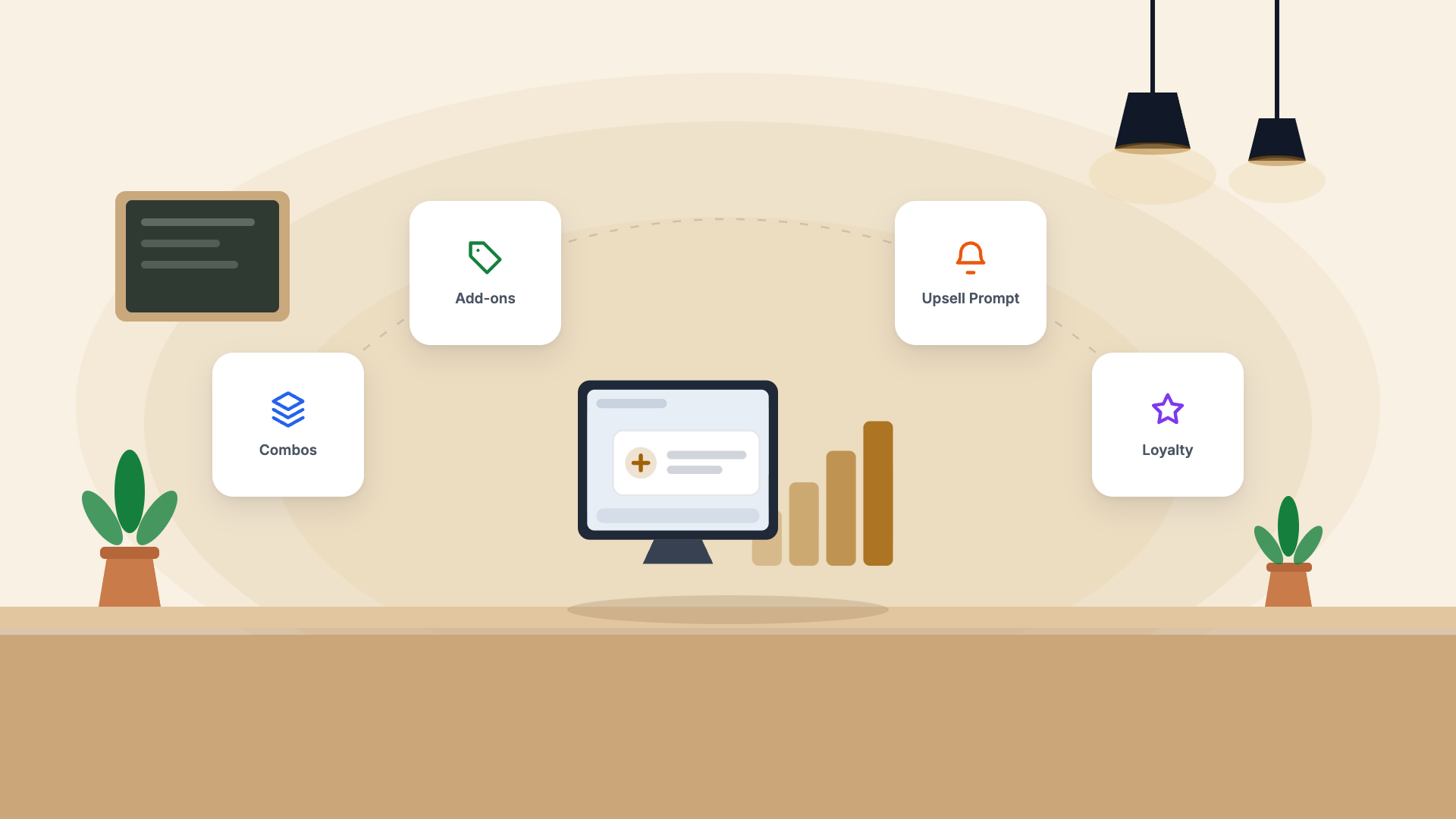
Pangat allows you to set smart upsell prompts that appear on the order screen when specific items are added.
2. Bundle with Combos
Combos increase AOV by making spending feel like saving. A burger at ₹280 + fries at ₹120 + drink at ₹100 = ₹500. A combo priced at ₹449 feels like a deal to the customer — but it's ₹169 more than they might have ordered otherwise.
3. Add-On Culture
Normalise add-ons in your menu language. Don't say "extra cheese: ₹40." Say "as made: ₹40 / extra cheese: ₹80." The first option anchors the perception that add-ons are the standard choice.
4. Dessert Timing
Dessert upsells fail when they're offered too late. The best moment is 10–15 minutes before the main course is expected to finish — when customers are satisfied but not yet mentally "done." A staff member who says "can I tell you about today's desserts?" at the right moment converts 30–40% of tables.
5. Digital Menu Engineering
If you have a QR menu or digital ordering, place your high-margin, medium-price items at the top of each category. Customers order from the top. Items with high margins and strong descriptions (photos, "chef's favourite" tags) get ordered disproportionately often.