What Is Menu Engineering?
Menu engineering is the process of analysing your menu items by two dimensions — profitability and popularity — and then using that analysis to redesign your menu layout, pricing, and descriptions to maximise overall margin.
It was developed by Cornell University researchers in the 1980s and remains the most practical profitability tool available to restaurant owners.
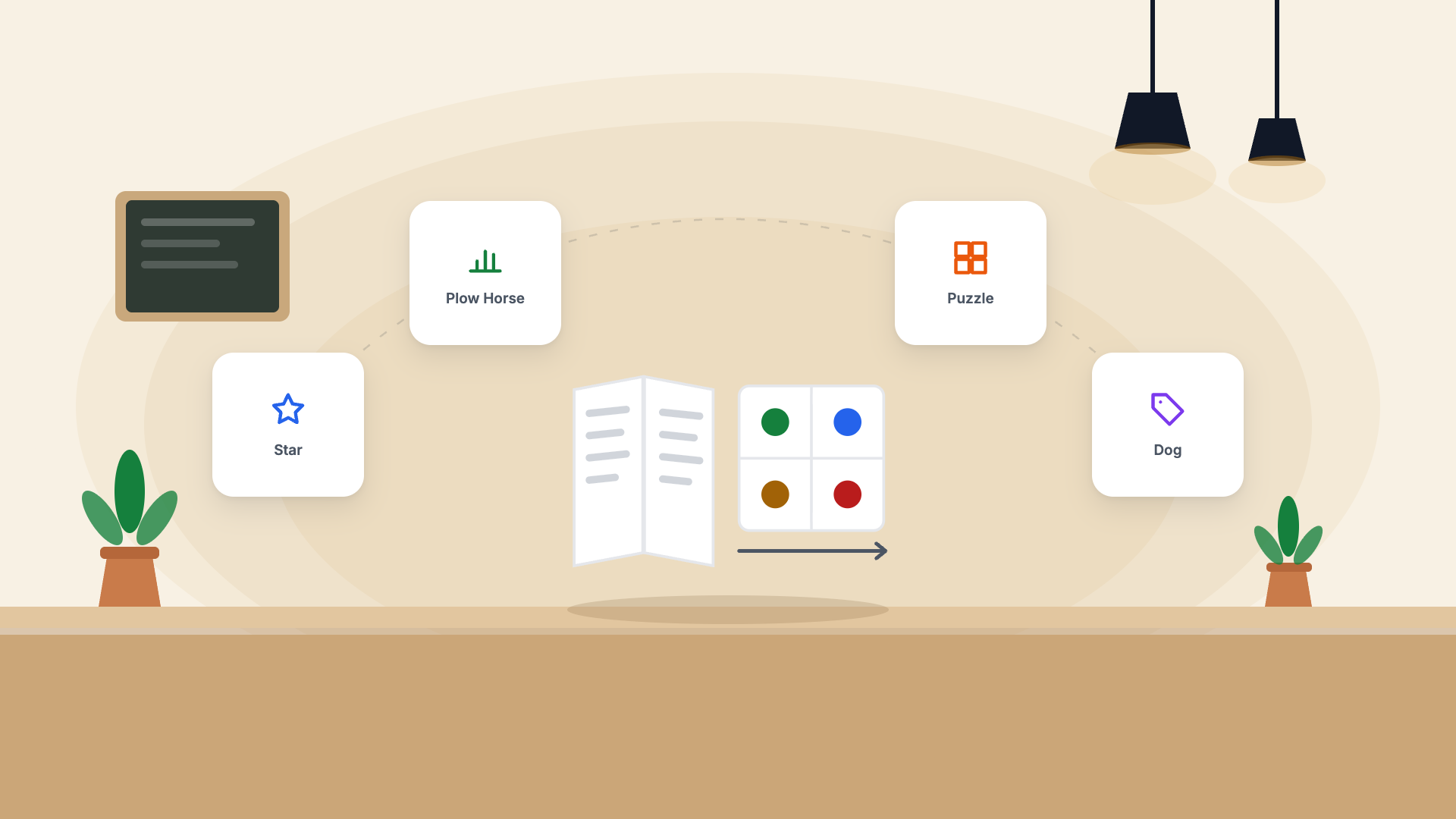
The Four Categories
Every item on your menu falls into one of four boxes:
⭐ Stars (High Profit + High Popularity)
These are your best items. High contribution margin, ordered frequently.
Strategy: Keep them exactly where they are on the menu. Protect their quality. Never cut them to save costs.
🐴 Plow Horses (Low Profit + High Popularity)
Customers love them, but they don't make you much money.
Strategy: Increase price slightly (a ₹20 increase on a high-volume item is significant at scale). Or redesign the recipe to reduce food cost without affecting perceived value. Or pair them with high-margin add-ons.
❓ Puzzles (High Profit + Low Popularity)
These items make good money when ordered — they're just not ordered often enough.
Strategy: Improve menu placement, add a more compelling description, add a photo, have staff recommend them verbally.
🐕 Dogs (Low Profit + Low Popularity)
Nobody orders them and they don't make money when someone does.
Strategy: Remove them. Keeping them on your menu adds cognitive load for customers and operational complexity for your kitchen.
How to Run the Analysis
Step 1: Get 3 months of sales data from your POS — units sold per item.
Step 2: Calculate contribution margin per item
Contribution Margin = Selling Price − Food Cost
Step 3: Plot each item
- X-axis: Popularity (units sold vs. average)
- Y-axis: Profitability (contribution margin vs. average)
Items above average on both = Stars. Below average on both = Dogs. You get the idea.
Step 4: Redesign your menu based on the categories above.
Menu Layout Psychology
- The Golden Triangle: Eyes first go to the top-right, then top-left, then the centre. Place your highest-margin Stars in these zones.
- Avoid dollar signs: Menus that list prices without "₹" symbols lead to higher spend — customers focus on the item, not the price.
- Limit choices: More than 7 items per category causes decision paralysis. Customers revert to safe, familiar choices — which are often your Plow Horses, not your Stars.
- Anchoring: Place your most expensive item first in each category. Everything else looks reasonably priced by comparison.
How Often Should You Do This?
Run a menu engineering analysis every 6 months, or whenever you notice a significant shift in food costs or customer ordering patterns. It takes about 2–3 hours with POS data and a spreadsheet — and the resulting margin improvement typically pays for that time within the first week.